Job Sites That Stay Clear and Productive
Construction Debris Removal in Rolla for active projects and finished renovations
Duke's Haul Off Junk Removal clears construction waste from job sites across Rolla, managing wood scraps, drywall chunks, scrap metal, and renovation debris that accumulates during builds and remodels. Your project timeline depends on keeping materials moving off-site rather than letting piles grow, and flexible pickup scheduling means crews can focus on the next phase instead of managing waste bins. Contractors working on multi-week jobs and homeowners wrapping up single-room updates both benefit from coordinated debris removal that adapts to actual site conditions.
The service handles materials from framing cutoffs and drywall scraps to packaging waste, broken fixtures, and mixed demolition debris. Each load gets sorted for proper disposal, and the process keeps walkways clear and reduces tripping hazards that slow down work.
Request pickup scheduling that aligns with your project phases and anticipated debris volume.
How Ongoing Debris Pickup Supports Job Completion
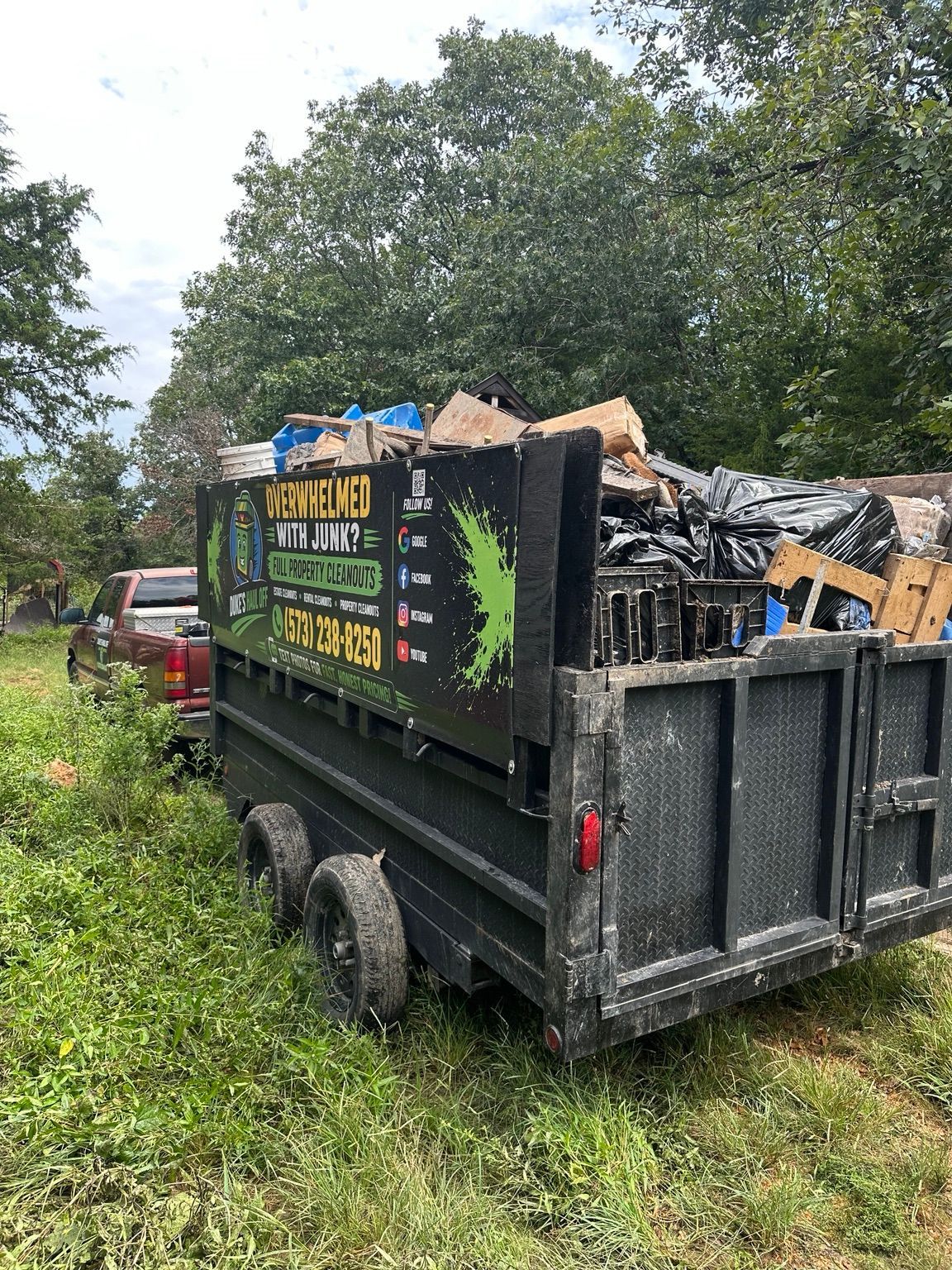
Construction sites generate waste in waves—heavy demolition debris early, then steady accumulations of packaging and cutoffs, followed by finish material scraps near completion. Duke's Haul Off Junk Removal coordinates pickups based on your timeline, whether that means one end-of-project haul or multiple visits during active construction phases, so staging areas stay usable and materials don't block access points.
After debris is removed, you'll see unobstructed workspaces, clear pathways for equipment and personnel, and staging areas ready for incoming materials. The difference shows up in faster task transitions and reduced time spent moving piles from one spot to another just to access work zones.
The service covers job site cleanup for new builds, additions, interior remodels, and outdoor projects, but does not include hazardous material disposal or concrete in volumes requiring specialized equipment. Loads are evaluated on-site to confirm materials match standard construction waste categories.
Questions About Debris Removal for Construction Projects
Job site cleanup needs vary widely depending on project scope and phase, so these answers address common logistics for contractors and property owners managing construction waste in Rolla.
What materials are included in construction debris removal?
The service handles wood scraps, drywall pieces, metal cutoffs, packaging materials, broken fixtures, and general renovation waste, but excludes hazardous substances like asbestos or large concrete volumes requiring heavy machinery.
How does scheduling work for ongoing projects?
Pickups are arranged based on your project timeline and debris accumulation rate, with options for single hauls after completion or recurring visits during active construction phases to prevent pile-up.
What happens if debris types change mid-project?
Loads are assessed on-site during each pickup, so shifting material types from demolition debris to finish work scraps are managed without requiring new service coordination.
Why does keeping sites clear affect project timelines?
Accessible walkways and unblocked staging areas reduce time spent relocating materials just to reach work zones, allowing crews to transition between tasks without debris-related delays that compound over multi-week projects.
How quickly can pickups be coordinated in Rolla?
Scheduling flexibility depends on current service demand and job site access conditions, but coordination typically accommodates both planned pickups tied to project milestones and short-notice requests when debris accumulates faster than anticipated.
Duke's Haul Off Junk Removal supports construction timelines by removing debris before it interferes with work flow, whether you're managing a commercial build or a residential remodel. Contact the team to coordinate pickup schedules that match your project's debris production pattern.